Xtabentún (pronounced roughly shta-ben-TOON) is a sweet liqueur from the Yucatán made with honey, anise and rum. It takes its name from the xtabentún flower, a native morning glory whose nectar bees turn into honey, and it is often linked to balché, a ceremonial honey drink of the ancient Maya. Locals usually drink it as an after-dinner digestif, neat, over ice or mixed into coffee.
If you have seen bottles of Xtabentún in a Cancún shop and wondered what it is, this guide covers what Xtabentún tastes like, the legend behind the name, and how to try it while you are here.
What is Xtabentún made of?
At its core, Xtabentún combines three ingredients:
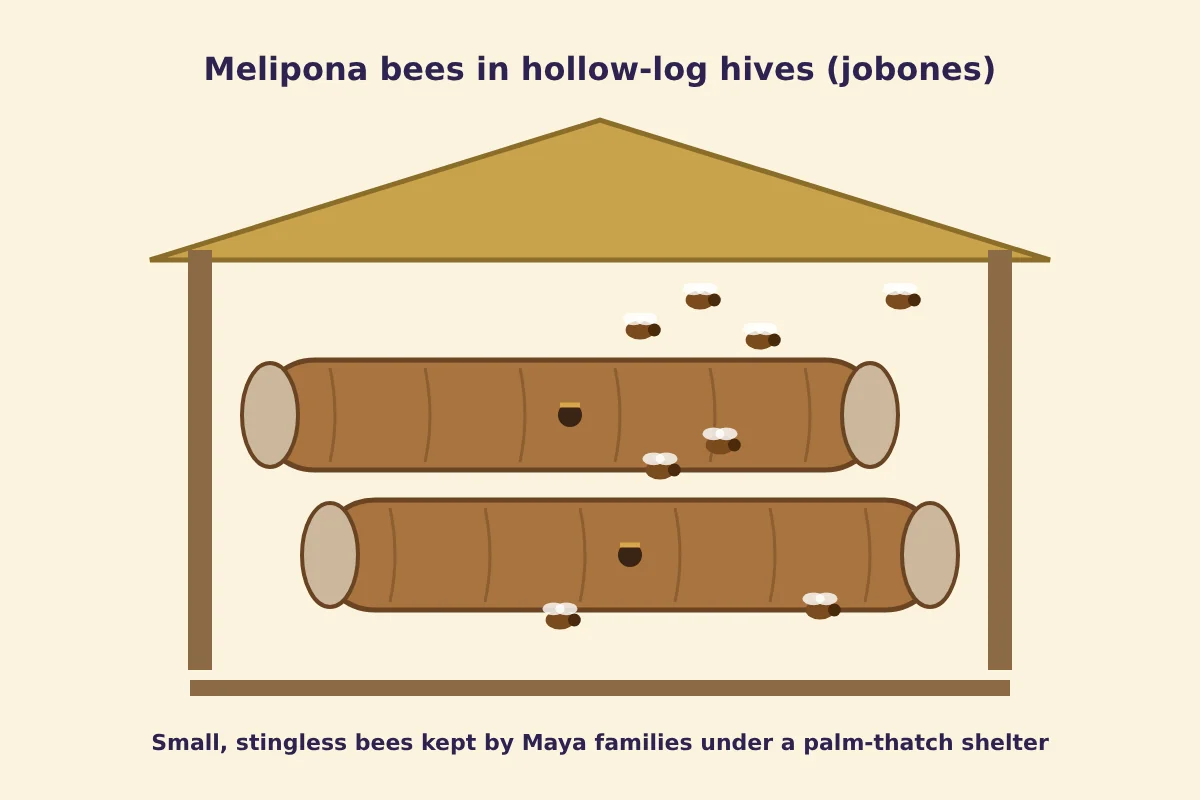
- Honey, traditionally from bees that feed on the xtabentún flower. Some Yucatán accounts specifically mention honey from the native stingless Melipona bee.
- Anise, which gives the drink its licorice-like aroma.
- Rum, which raises the alcohol content.
The honey is fermented rather than distilled, so in a sense the base is a type of mead, and the added rum makes the finished drink a liqueur. Difford's Guide describes one brand as syrupy and sweet, with intense anise, honey and faint herbal notes somewhat reminiscent of absinthe.
Several producers in the Yucatán make it today, and recipes and sweetness vary from brand to brand.
How do you drink Xtabentún?
There is no single right way. The most common ways to drink it in the Yucatán:
- Neat, as a digestif. A small glass after a big Yucatecan meal is the classic approach.
- Cold or over ice. Some people add a little honey.
- In coffee. Mixing it into coffee is a popular way to serve it, from a splash in a morning cup to coffee drinks after dinner.
- In cocktails. In the Riviera Maya, bartenders use it in drinks such as a "Maya margarita" with citrus juice.
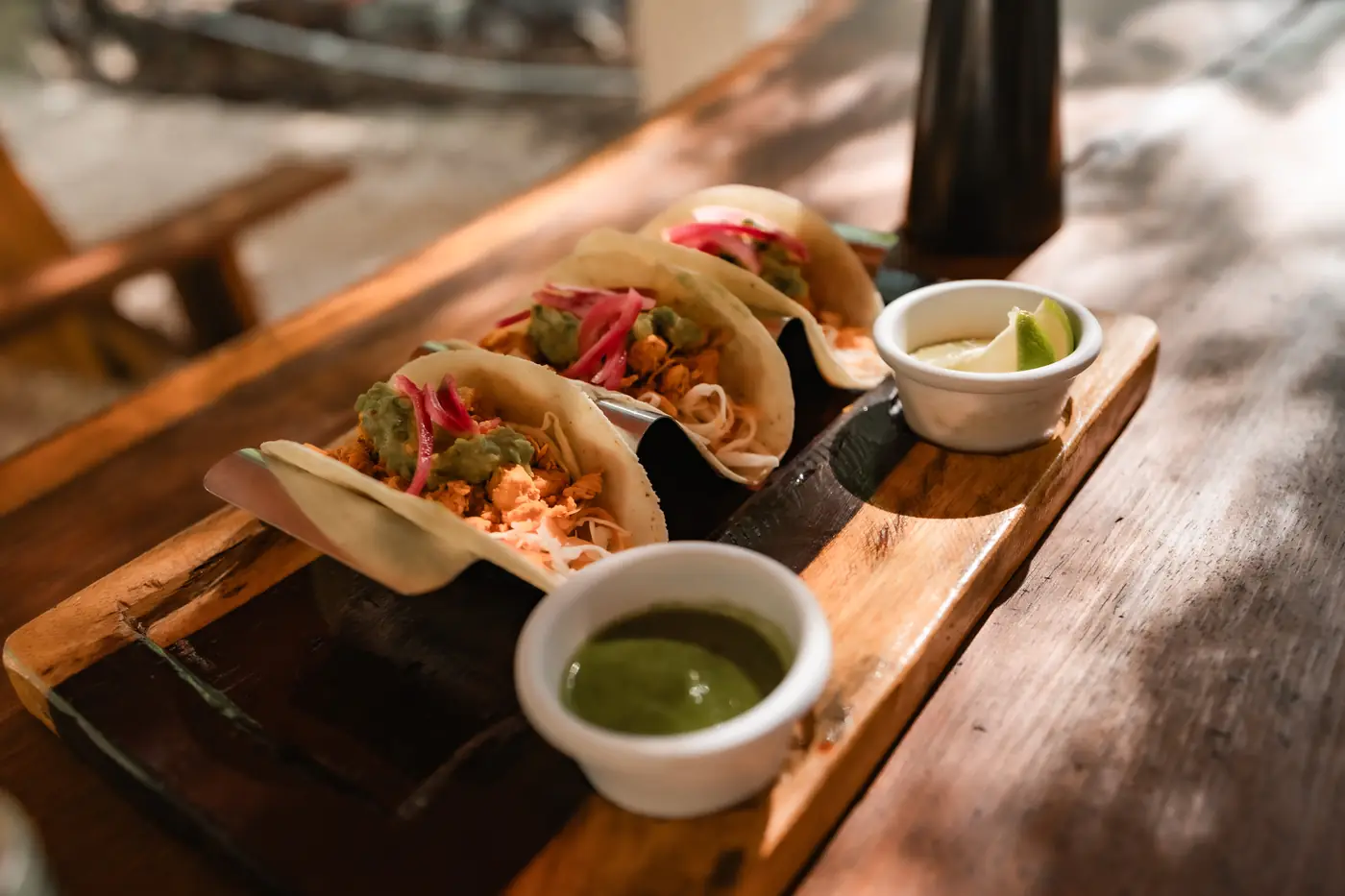
Local cooks also use it in the kitchen, for example in shrimp dishes, so you may taste it on a menu without ordering a drink.

What is the xtabentún flower?
The xtabentún is Turbina corymbosa, a vine in the morning glory family, known in English as Christmas vine. It is typical of the region, bees feed on its nectar, and its Maya name is usually translated as "vines that grow on stone."
The plant has another side: its seeds contain ergine, a compound with hallucinogenic effects. The liqueur is made with honey, not with the seeds, so this does not apply to the drink in your glass.
Is Xtabentún related to the Maya drink balché?
Probably, though the history is not fully documented. Balché is a fermented ceremonial drink made by soaking the bark of the balché tree (a Lonchocarpus, a member of the bean family) in water with honey. It is still used today in some Maya ceremonies, where it may be poured as an offering toward the four directions.
A commonly told story says that after the Spanish conquest, colonial authorities disapproved of balché, partly because of its ritual role, and that a new version using anise instead of tree bark emerged. Xtabentún is said to descend from that change. Spirits guides often repeat this account as fact, while the Yucatán newspaper Por Esto presents it as a belief held by some historians, so treat it as tradition rather than settled history.
The legend of Xtabay, Xkeban and Utz-Colel
The flower that gives the liqueur its name has its own legend, one of the best known in the Yucatán. As told in Yucatec tradition, two beautiful sisters lived in the same village, Xkeban and Utz-Colel.
Xkeban was loving and generous. She cared for stray animals and gave her belongings to the poor, but because she had many lovers, the village called her a sinner. Utz-Colel was outwardly virtuous and respected, but rigid and proud, and she looked down on her sister.
When Xkeban died, a sweet perfume filled the village, and the few people who remembered her kindness buried her. Within hours, fragrant flowers grew on her grave: the xtabentún. When Utz-Colel died, expecting even finer flowers, her grave gave off a foul smell, and only the spiny tzacam cactus grew there.
Jealous, Utz-Colel made a pact with the forces of death to return as the Xtabay, a beautiful woman in white who combs her long hair among the ceiba trees at night and lures men lost in the forest to their ruin. One local teacher quoted by Yucatán Today sees the legend as a colonial-era blend of Maya and Spanish ideas, reshaped by priests. Either way, in the story the sweet xtabentún flower belongs to the kind sister.
If you visit around Hanal Pixán, the Yucatán's Day of the Dead, you may hear this and other legends retold. Our Halloween and Day of the Dead in Cancún page has more on the season, and our article on the sacred ceiba tree explains why the Xtabay is tied to the ceiba.
Where can you try or buy Xtabentún in Cancún?
You don't need to go far. Xtabentún is easy to find in Quintana Roo and Yucatán:
- Restaurants serving Yucatecan food may offer it after dinner or in coffee. Our Yucatán food guide lists dishes worth pairing with it.
- Bars in downtown Cancún and Puerto Morelos may use it in cocktails. Ask the bartender.
- Markets and liquor stores sell bottles. Check that the bottle is sealed and labeled with the producer.
Is Xtabentún a good souvenir?
Yes, especially if you want something that is truly from the Yucatán rather than a generic Mexican souvenir. A few tips:
- Check your airline and customs rules on carrying alcohol before you buy.
- Pack bottles in checked luggage wrapped in clothing, since liquids over the carry-on limit will be taken at security.
- Pair it with local honey for a gift that tells a story. Read about the Melipona bee and Maya honey first.
Xtabentún and your trip to the jungle
Most of our jungle tours near Cancún end with a tequila tasting. If you want to compare Mexico's best-known spirit with the Yucatán's own liqueur, read our guide to tequila vs mezcal first, then order a glass of Xtabentún back in town.
Frequently asked questions
What does Xtabentún taste like?
It is sweet and syrupy, with strong anise and honey flavors and a light herbal finish. If you enjoy anise-flavored drinks, you will probably like it.
Is Xtabentún hallucinogenic?
No. The xtabentún plant's seeds contain a hallucinogenic compound, but the liqueur is made from honey, anise and rum, not from the seeds.
How is Xtabentún pronounced?
Roughly "shta-ben-TOON." In Yucatec Maya, the letter x sounds like "sh."
Is Xtabentún the same as balché?
No. Balché is a ceremonial Maya drink made with tree bark and honey. Xtabentún is a modern liqueur that may descend from it.
Taste tequila after the jungle
Most of our tours end with a tequila tasting after the ATV, ziplines and cenote.
See the Tour