Sargassum is the brown seaweed that sometimes covers Caribbean beaches in summer. It doesn't ruin a trip to Cancun, but it can change your plans for a few days. Here's what to know and how to adapt.
What is sargassum?
Sargassum is a floating seaweed that grows in the Atlantic Ocean. Currents and winds carry large mats of it into the Caribbean, where it washes up on beaches. Fresh sargassum is mostly harmless, but when it piles up and decomposes on the sand it smells and makes the water murky near the shore.
When is sargassum season in Cancun?
Most sources describe a season of roughly April to October, with the heaviest arrivals usually in June to August. November to March is generally the clearest period.
It changes every year. Researchers at the University of South Florida, who track sargassum by satellite, forecast 2026 as a major sargassum year for the Caribbean, and some early arrivals were reported in the first months of the year. Treat any calendar as a guide, not a guarantee.
Which beaches are usually less affected?
Sargassum arrives from the east, so the open Caribbean coast takes most of it. In general:
- Bay-side beaches in the Hotel Zone (north-facing, toward Isla Mujeres) are often clearer than the east-facing beaches.
- Isla Mujeres, especially Playa Norte, is often less affected.
- Costa Mujeres and the area north of Cancun are often mentioned as less affected than the Riviera Maya.
- Puerto Morelos, Playa del Carmen, Tulum and Cozumel can be heavily affected in bad weeks.
Conditions change daily with wind and currents, and many hotels clean their beaches every morning.
How to check conditions before and during your trip
- Look for the sargassum "traffic light" (semáforo) published by local monitoring networks in Quintana Roo.
- Check recent photos in travel groups for your specific beach.
- Ask your hotel directly what the beach looks like that week.
What to do when the beach is covered
The good news: sargassum only affects the sea. Everything inland is unaffected.
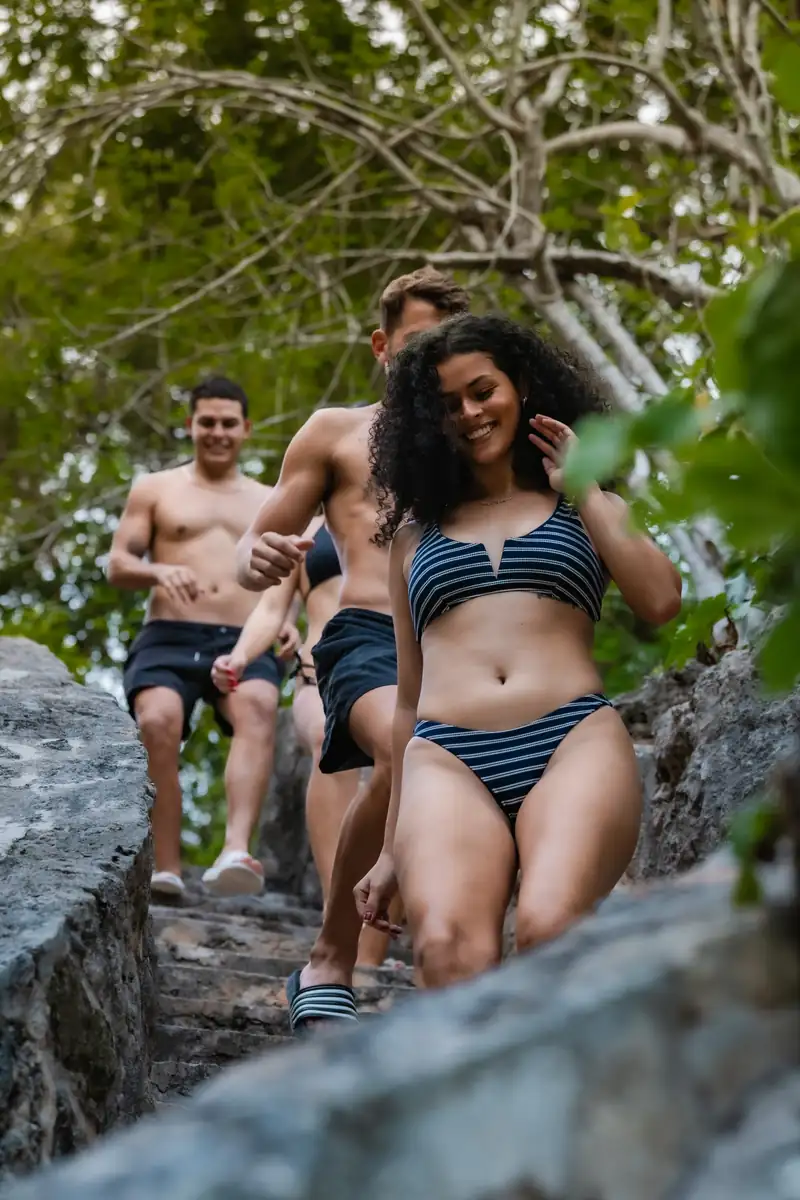
Swim in cenotes
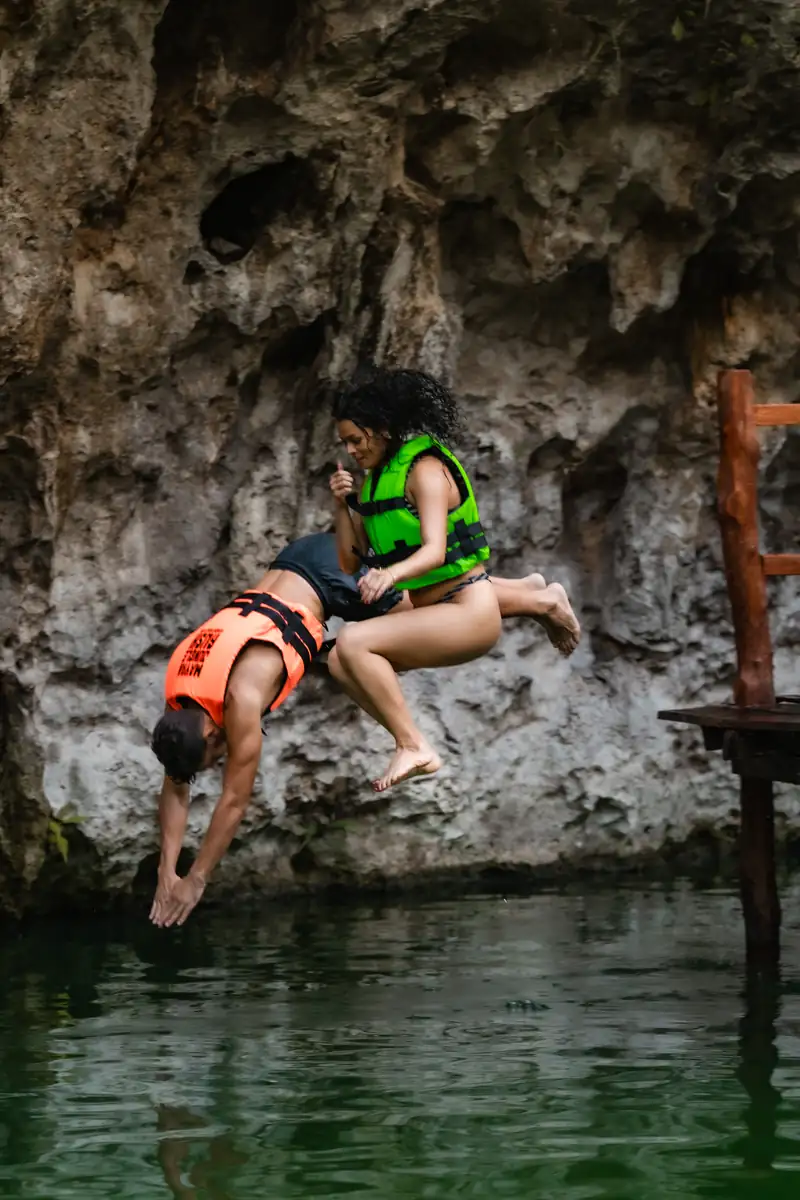
Freshwater cenotes are inland and fed by groundwater, so sargassum never reaches them. The closest are on the Ruta de los Cenotes near Puerto Morelos, around an hour from the Hotel Zone. See our 15 best cenotes near Cancun or our cenote tour.
Head into the jungle
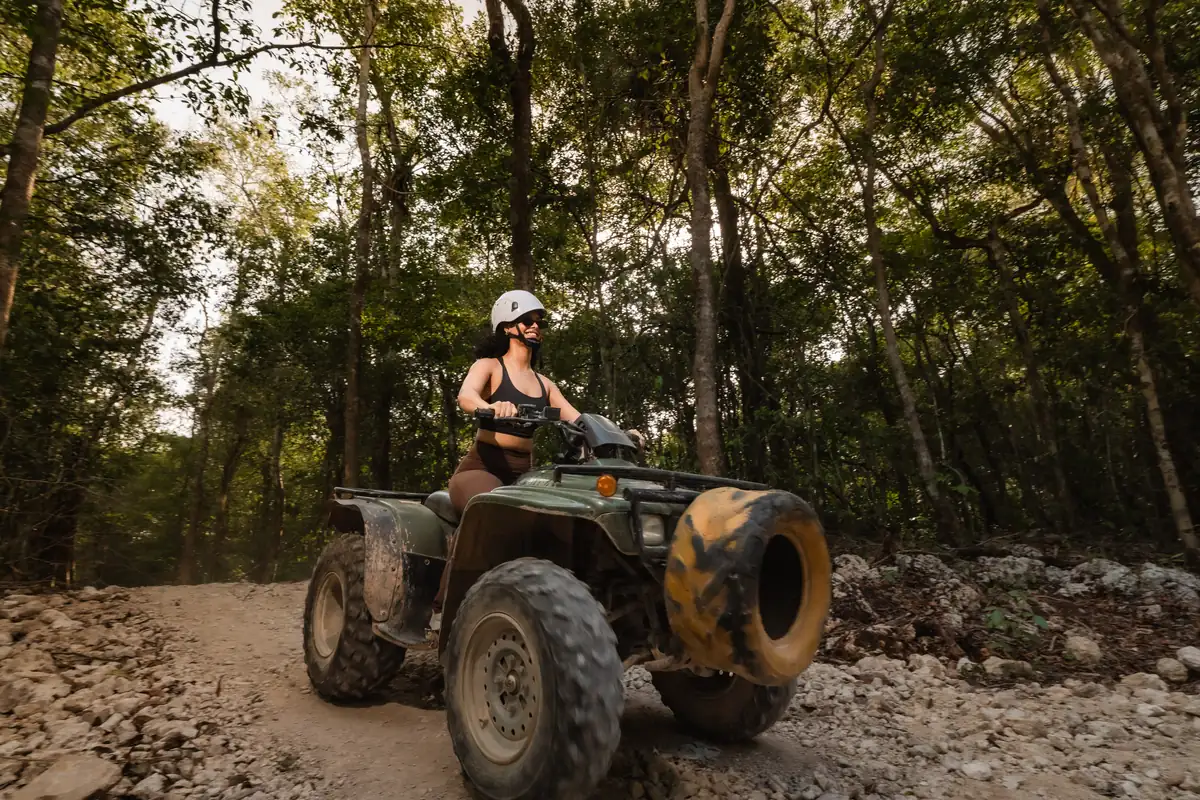
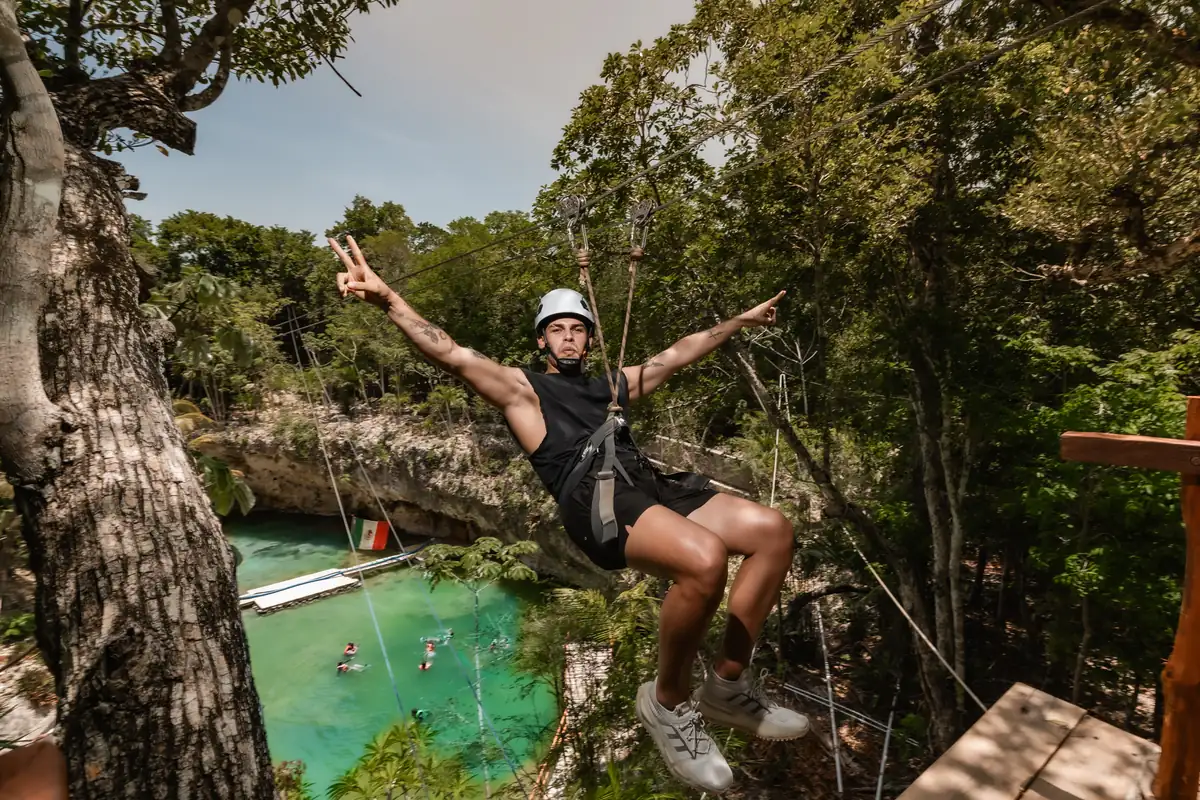
ATVs, ziplines and horseback riding on jungle trails are a great way to spend a sargassum day. See our ATV + zipline + cenote guide.
Visit ruins and colonial towns
Chichén Itzá, Valladolid, Cobá or the Museo Maya de Cancún.
Try Isla Mujeres or the bay side
If the open coast is bad, the bay-side beaches and Isla Mujeres are worth checking.
Use the pool
Resort pools are the obvious backup, but it's worth mentioning: a pool day plus a cenote day is a great combination.
Should you avoid summer because of sargassum?
Not necessarily. Summer has lower prices outside holidays, warm water and whale shark season. If beaches matter most to you, choose a hotel on the bay side or near Isla Mujeres, and plan a few inland days. If you need guaranteed perfect beaches, the winter months are safer. Read our best time to visit Cancun.
Frequently asked questions
Is sargassum dangerous?
In the water it's mostly harmless. Rotting piles on the beach smell and can release gases that bother some people, so avoid spending long periods next to large decomposing piles.
Does sargassum reach cenotes?
No. Cenotes are inland freshwater sinkholes, so seaweed from the ocean can't reach them.
Which month has the least sargassum in Cancun?
Historically, November to March, although recent years have seen some early arrivals.
Seaweed-free swimming
Clear freshwater cenotes in the jungle, about an hour from the Hotel Zone.
See the Cenote Tour